Apple’s Transitions are Intentional
Apple seeks changes amid of retirement of their executives
News headlines surround Apple in its internal executive changes. From the departure of Alan Dye (Vice President of Human Interface) and the retirements of numerous executives. As Tim Cook’s tenure at Apple comes to an end, many expect a major transition in the coming years.
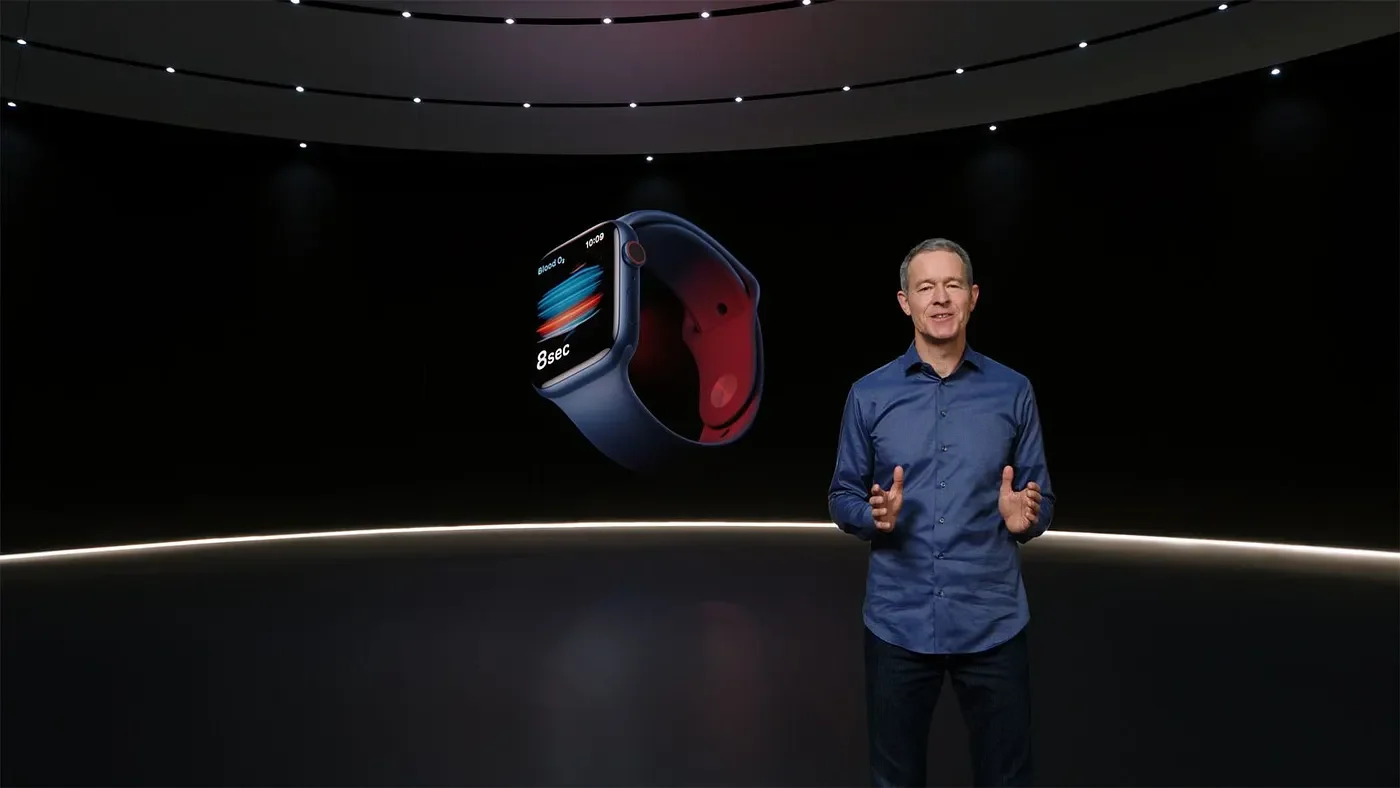
Jeff Williams | Source: MacRumors
The outbreak started with Apple’s Chief Operating Officer (COO), Jeff Williams. Williams oversaw the introduction of the iPod and iPhone at Apple under Steve Jobs. He was appointed to a higher role in 2015, following the launch of the Apple Watch. Given Apple Watch’s current success, he has been seen as a potential successor to Tim Cook as CEO. Instead of retiring from Apple, Williams joined the Walt Disney Company as a member of the Board of Directors. Given his age of 63, leading the company as a new leader was not in his playbook. Apple announced that his retirement was a long-planned succession.
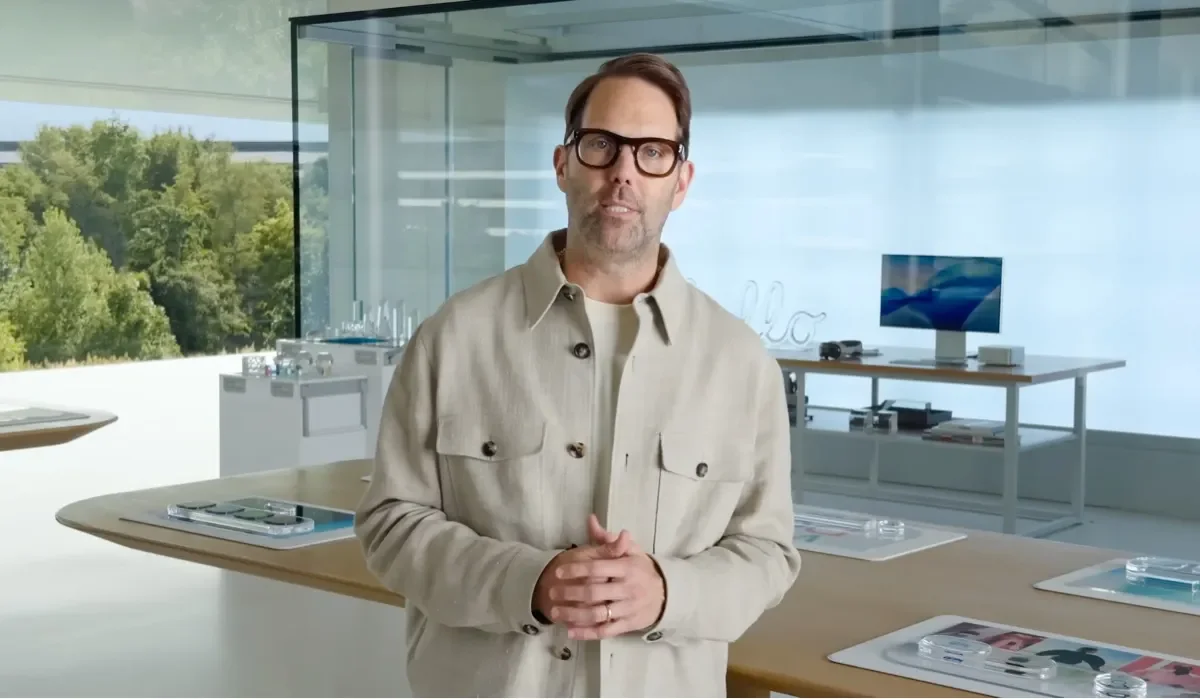
Alan Dye | Source: WWDC 2025 Keynote
Following the announcement, Alan Dye, a key member of Apple’s Liquid Design UI team, departed the company to join Meta as chief design officer. Designer Billy Sorrentino also left to join Meta. In fact, co-workers seemed to like his departure. Some said, “It’s the best news in a decade.” Apple assigned the role to Stephen Lemay, who led operating system interface design for 25 years. Apple’s designers prefer this transition as Lemay worked on the original iPhone software team alongside Scott Forstall and Greg Christie. Many designers felt that under Dye, “doing great work” had stopped being the guiding principle, and they saw Lemay’s promotion as a return to Apple’s core design DNA.
Remember Apple Intelligence? The person responsible for it, John Giannadrea, is also retiring in 2026. Lisa Jackson (Vice President of Environment, Policy, and Social Initiatives) retired in January 2026, and Kate Adams (General Counsel) is retiring in late 2026. This may sound like significant changes, but Apple is doing this intentionally and strategically. The average retirement age for executives in Silicon Valley is between 45 and 55. Apple’s executives retire at 60, and the company seeks to add fresh talent to its leadership.
With Jeff Williams’ retirement, John Ternus (Vice President of Hardware Engineering) is widely expected to continue in Cook’s role at age 52. (currently, 51). Jennifer Newstead (upcoming General Counsel) and Sabih Khan (Chief Operating Officer) are expected to lead Apple until the next decade.
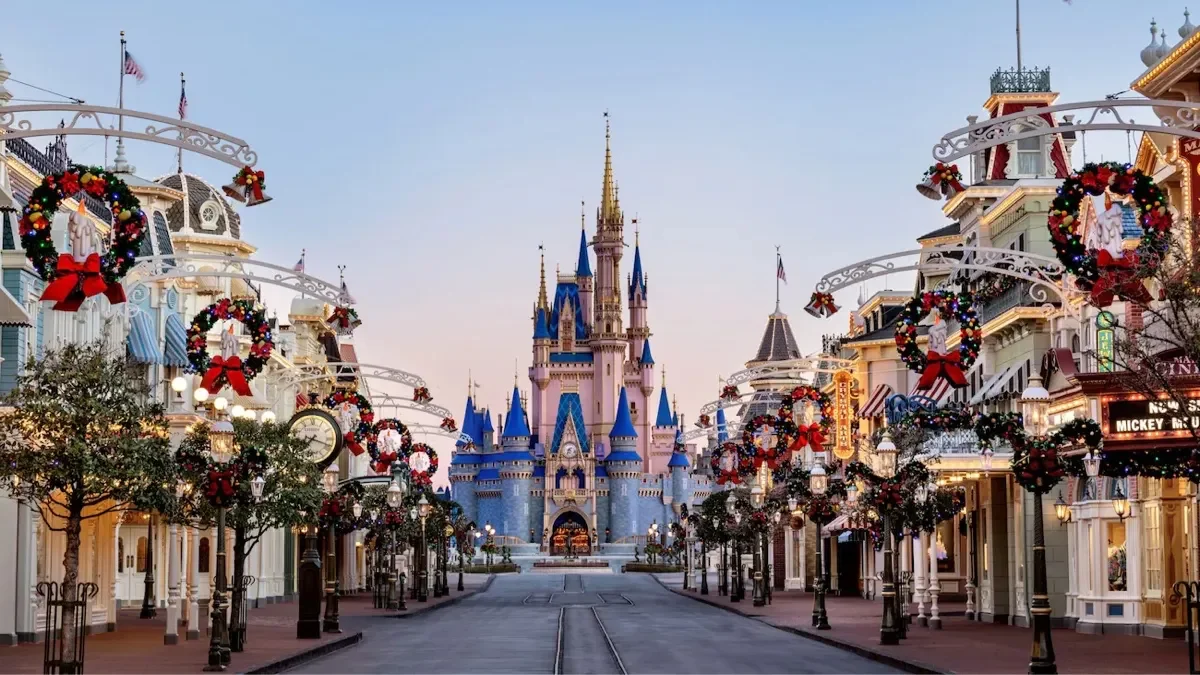
Source: Disney World
Compared to the transitions at Disney, Intel, and General Electric, Apple shows no signs of internal disagreement or margin declines. In early 2020, Bob Iger (CEO of Apple) handpicked Bob Chapek to succeed him after his long tenure. Iger remained as Executive Chairman but reportedly “backseat drove” the company, leading to a breakdown in trust. Unfortunately, after Chapek’s PR disaster, legal battles, and political feud, the board decided to fire Chapek in November 2022. Disney brought back Iger as a “boomerang CEO” to stabilize the company, but the company had already lost $200 billion in market value during this period.
Source: Intel
Known as Apple’s forever competitor, Intel lost an entire decade after its transition to M-series processors. After Paul Otellini retired in 2013, the board struggled to find a leader who understood both engineering and the business sides. Eventually, they promoted Brian Krzanich. Krzanich was a manufacturing expert who reportedly created a “toxic” and “siloed” internal culture. He missed the mobile revolution entirely and oversaw major delays that allowed AMD and TSMC to dominate the market. In 2018. He was forced to resign following a prior allegation against an employee. His successor, Bob Swan (former CFO), was seen as a placeholder who lacked the technical vision to lead a “technology” company. It took bringing back Pat Gelsinger in 2021 — who had left years prior as an engineer — to stop the decline.
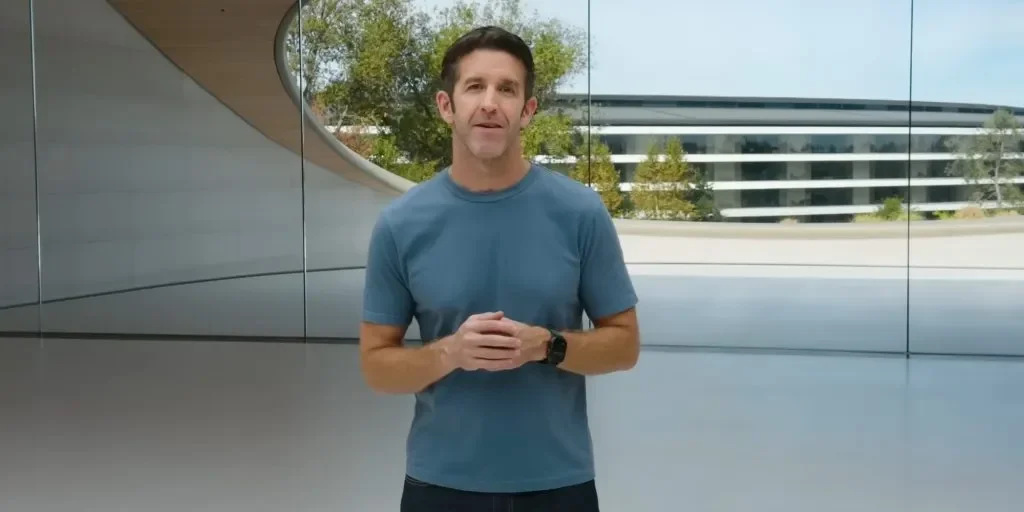
John Ternus | Source: 9to5Mac
Apple’s recent executive departures may appear disruptive on the surface, but they reflect a company executing succession by design rather than reacting to a crisis. Unlike peers that stumbled through abrupt leadership changes, Apple is renewing its leadership while maintaining strong margins, internal cohesion, and a clear long-term vision. By promoting experienced insiders and timing transitions before decline forces them to, Apple reinforces a culture in which stability enables innovation.
Originally Published in Medium
